A car, also known as an automobile, is a self-propelled vehicle designed primarily for transporting people on roads. It typically has four wheels, an internal combustion engine or electric motor as its power source, and seats for a limited number of passengers (usually between one to eight).
The key characteristics that define a car are:- It has its own power source, such as an engine or motor, to move without being pulled or pushed by an external force.
- It is designed and intended for use on public roads and highways, not specifically for off-road or specialized terrain.
- Its primary purpose is to transport people from one place to another, rather than carrying cargo or performing specialized tasks
- Cars generally accommodate a small number of passengers, ranging from one to eight, with most cars seating four to five people
- The vast majority of cars have four wheels, providing stability and maneuverability on paved roads.
1. Self-propelled:
2. Road-going:
3. Passenger transportation:
4. Limited seating capacity:
5. Four wheels:
In essence, a car is a self-powered, road-going vehicle specifically designed for the personal transportation of a limited number of passengers, typically with four wheels and an internal combustion engine or electric motor as its power source.
Links so that you can learn more about this lesson Practice this lesson on Quizlet:
https://quizlet.com/notes/definition-of-a-car-705f82c9-7111-4201-b6b5-53be40e5720f
⦁ This lesson is available on a video format on youtube:
https://youtu.be/NX5q_B9K-lc https://youtu.be/ivqJvscLIZA>
In this lesson, we’re exploring the different types of cars, let’s dive into it. (You can watch this short video for a summarized version: Drivonomy - YouTube)
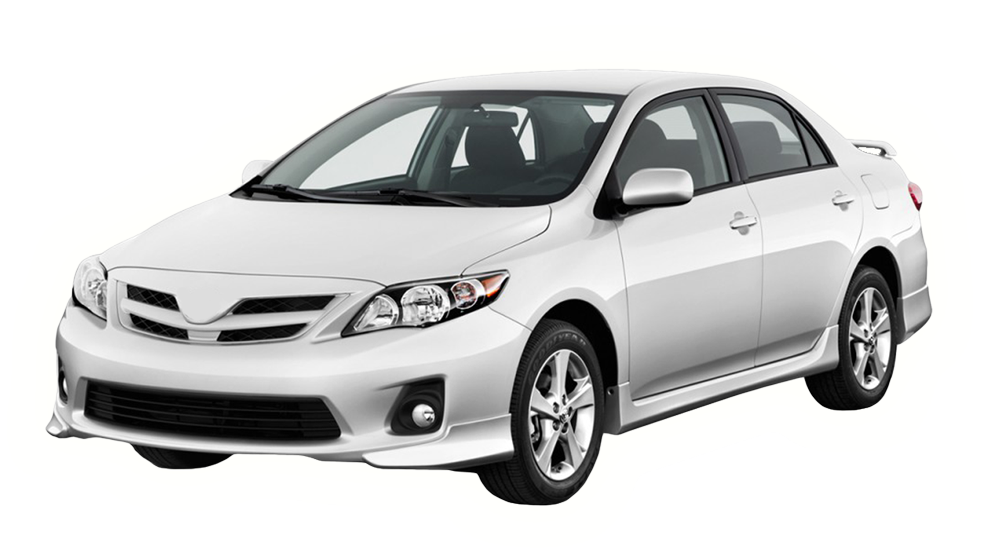
- - A sedan is a passenger car with a three-box configuration consisting of an engine compartment, a passenger cabin, and a separate trunk. Sedans typically have three or more windows on each side and a fixed roof. They are designed primarily for transporting people rather than cargo.
- Simple definition: These are the typical family cars you often see on the road. They have four doors and a separate trunk for carrying luggage or groceries. Sedans are comfortable and good for everyday use.
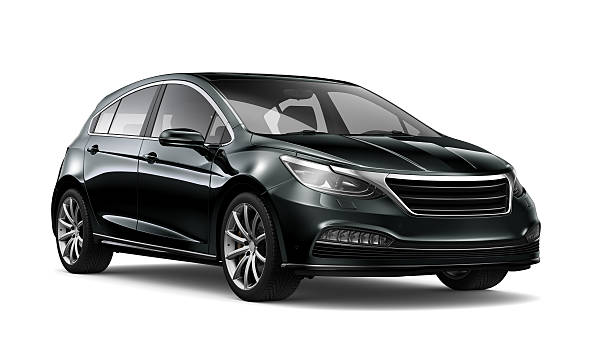
- A hatchback is a car body style with a rear door that opens upwards, providing easy access to the cargo area. The rear seats can often be folded down to increase cargo space. Hatchbacks combine the practicality of a station wagon with the profile of a sedan.
- Simple definition: These cars are smaller than sedans, but they have a special door at the back that opens upwards, making it easy to put in bigger items like bicycles.
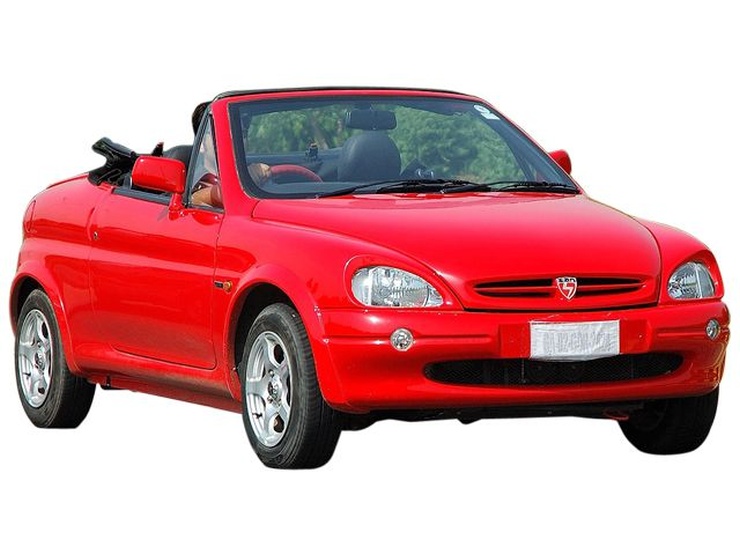
- A convertible is a car with a retractable or removable roof, allowing for open-air driving. Convertibles can have either a soft or hard top that folds or retracts into the body.
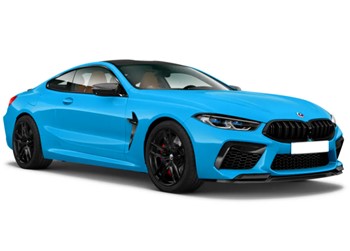
- Simple definition: Coupes are sleek and sporty cars with only two doors. They look cool and are designed for people who enjoy driving fast.
- A convertible is a car with a retractable or removable roof, allowing for open-air driving. Convertibles can have either a soft or hard top that folds or retracts into the body.
- Simple definition: Cars with a retractable or removable roof for open-air driving.
- Sports cars are designed with a focus on high performance, agility, and driving pleasure. They often have powerful engines, lightweight construction, and aerodynamic designs for enhanced handling and speed.
- Simple definition: These are very powerful and speedy cars built for racing or driving on special tracks. They are low to the ground and can go extremely fast. Image:
- SUVs are tall, boxy vehicles with a body-on-frame construction and available four-wheel or all-wheel drive. They are designed for off-road capability and hauling passengers and cargo.
- Simple definition: Rugged vehicles with off-road capabilities and boxy designs.
- Crossovers are a blend of an SUV and a passenger car, combining the raised ride height and available all-wheel drive of an SUV with the unibody construction and car-like handling of a sedan or hatchback.
- Simple definition: These are like a mix between a sedan and an SUV. They are taller than sedans but not as big as SUVs, and they can sometimes go on rougher roads.
1. Sedans
2. Hatchbacks:
3. Coupes:
4. Convertibles:
5. Sports Cars:
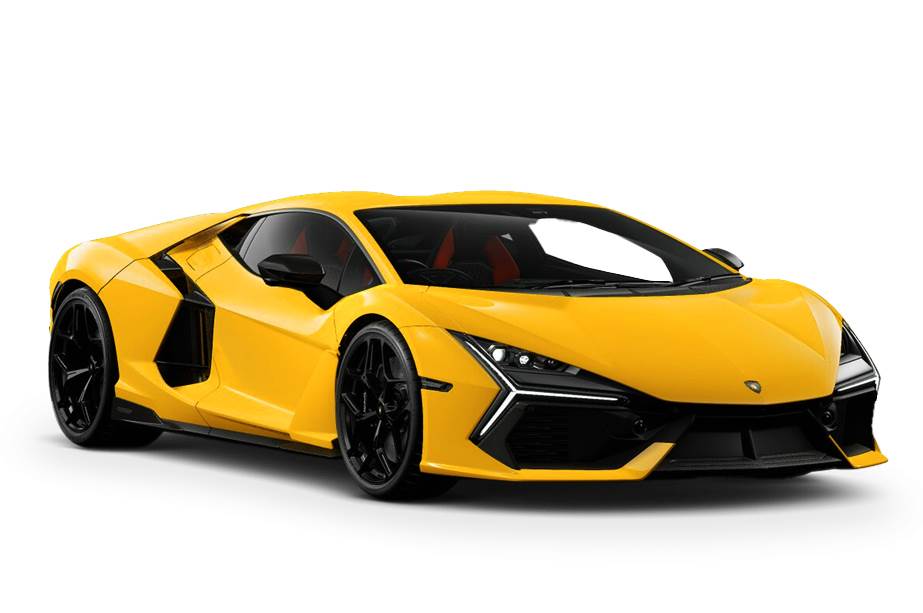
6. SUVs (Sports Utility Vehicles):
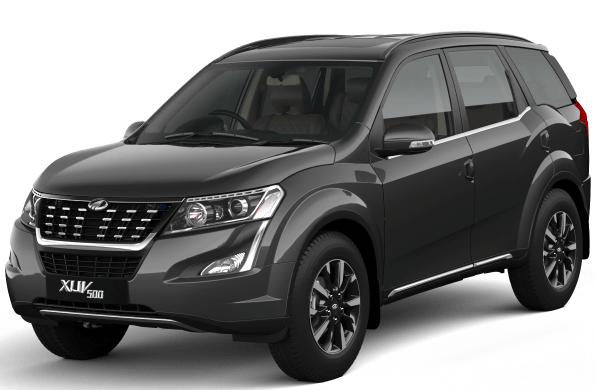
7. Crossovers:
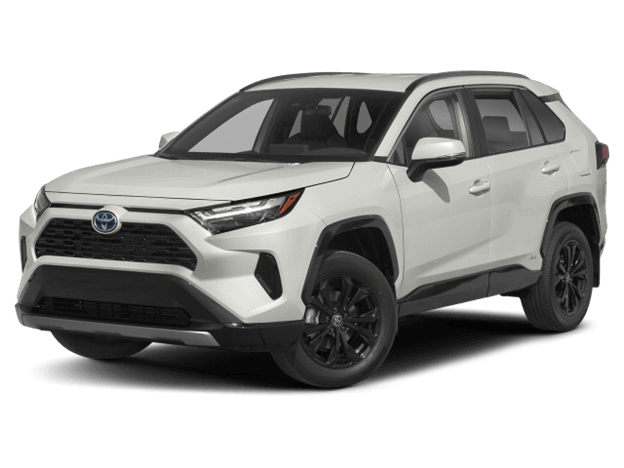
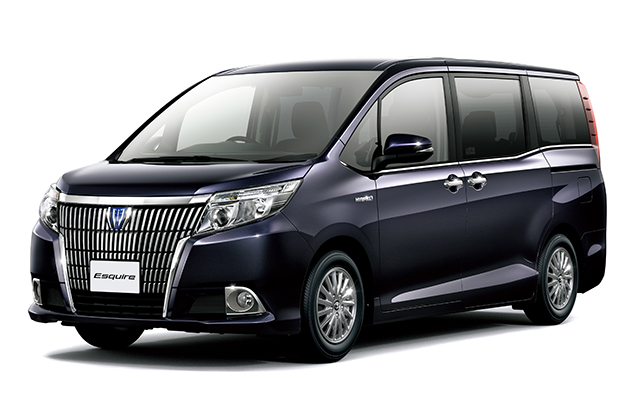
8. Minivans:
Minivans are designed for maximum interior space and passenger capacity, typically seating up to eight people. They feature a tall, boxy body style with sliding rear doors for easy access.
Simple definition: Minivans are designed for families with many children. They have a lot of space inside and often have sliding doors for easy entry and exit.
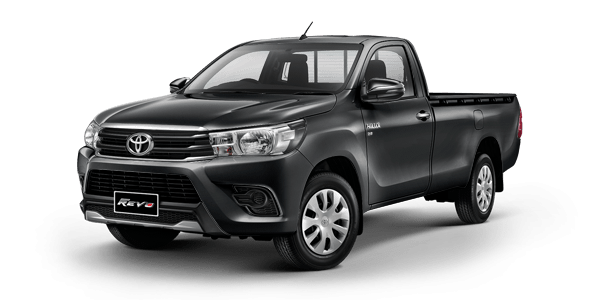
9. Pickup Trucks:
Pickup trucks are light or heavy-duty vehicles with an open cargo bed in the rear for hauling and towing. They can be configured with various cab sizes and bed lengths.
Simple definition: These are tough vehicles with an open bed in the back, perfect for carrying heavy loads or equipment.
10. Vans:
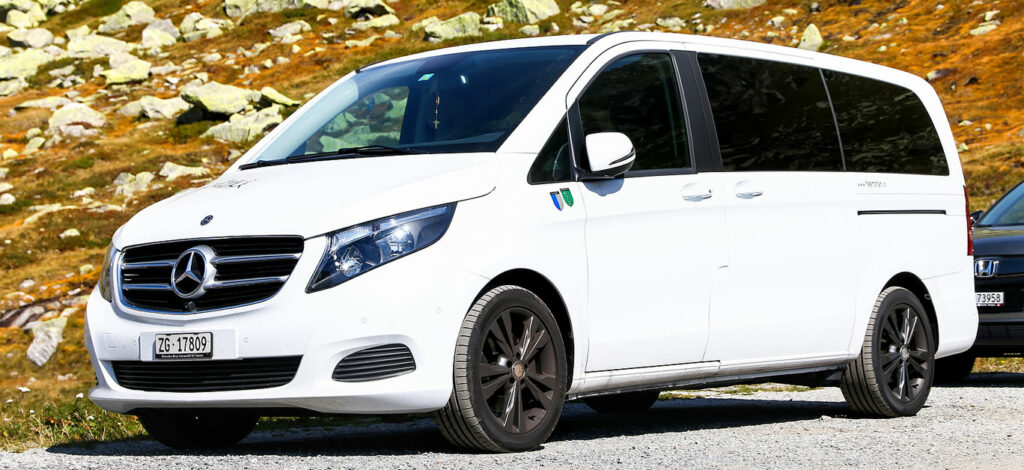
Vans are boxy vehicles designed for cargo transportation or passenger hauling. They can be configured as cargo vans, passenger vans, or specialized vans like ambulances or RVs.
Simple definition: Boxy vehicles for cargo transportation or passenger hauling.
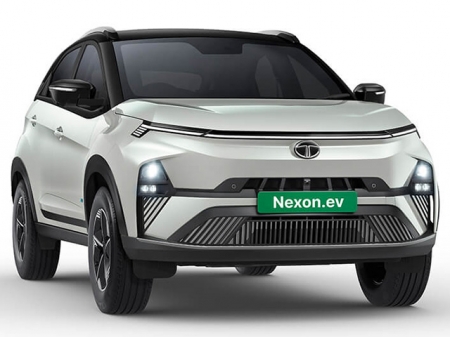
11. Electric Vehicles (EVs):
Electric vehicles are powered solely by an electric motor and rechargeable battery pack, producing zero direct emissions
Simple definition: Powered solely by electric motors and batteries.
12. Hybrid Electric Vehicles:
Hybrids combine a gasoline engine with an electric motor and battery pack, allowing for improved fuel efficiency and reduced emissions.
Simple definition: Combine a gasoline engine with an electric motor.
13. Plug-in Hybrid Electric Vehicles (PHEVs):
13. Plug-in Hybrid Electric Vehicles (PHEVs): PHEVs are similar to hybrids but have larger battery packs that can be recharged by plugging into an external power source, allowing for extended all-electric driving range.
Simple definition: Hybrids with larger battery packs that can be plugged in.
14. Ethanol/Flex-Fuel Vehicles:
These vehicles can run on gasoline or a blend of gasoline and ethanol (up to 85% ethanol), providing an alternative fuel option.
Simple definition: Can run on gasoline or ethanol blends.

15. Hydrogen Fuel Cell Vehicles:
Fuel cell vehicles use hydrogen gas to power an electric motor, emitting only water vapor as a byproduct.
Simple definition: Use hydrogen to power an electric motor.
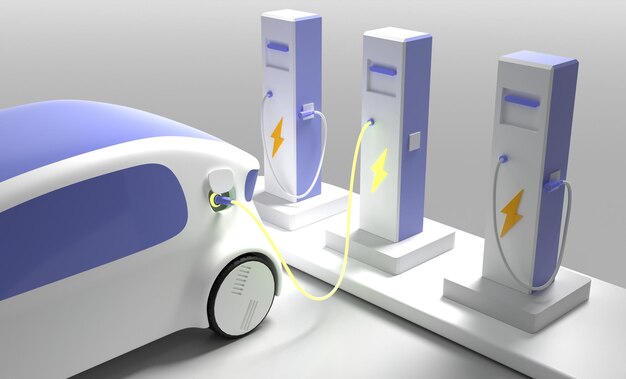
16. Luxury/Premium Cars:
Luxury cars are high-end vehicles with superior craftsmanship, materials, and features, often from premium brands like Mercedes-Benz, BMW, and Lexus.
Simple definition: High-end vehicles with superior craftsmanship.
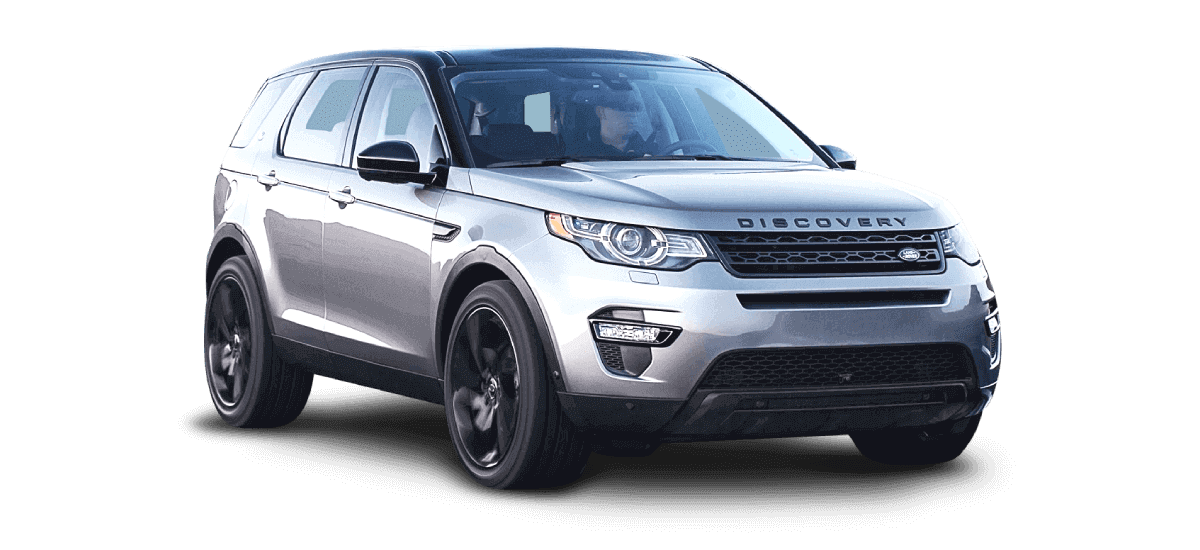
17. Supercars/Hypercars:
Supercars and hypercars are ultra-high-performance, exotic cars with exceptional power, handling, and cutting-edge technology. They are typically very expensive and produced in limited numbers.
Simple definition: Ultra-high-performance, exotic cars.
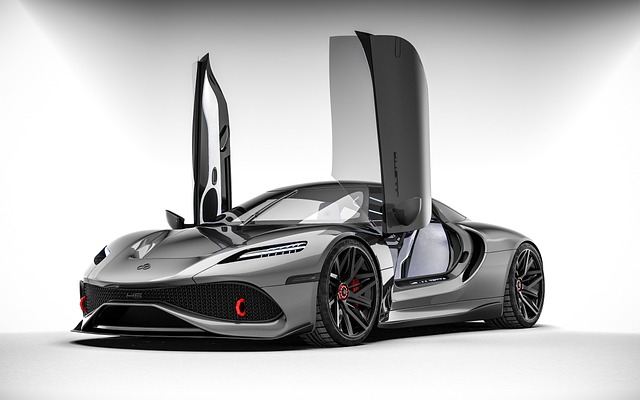
18. Muscle Cars:
Muscle cars are high-performance versions of mainstream cars, often with powerful V8 engines and a focus on straight-line acceleration
Simple definition: High-performance versions of mainstream cars.
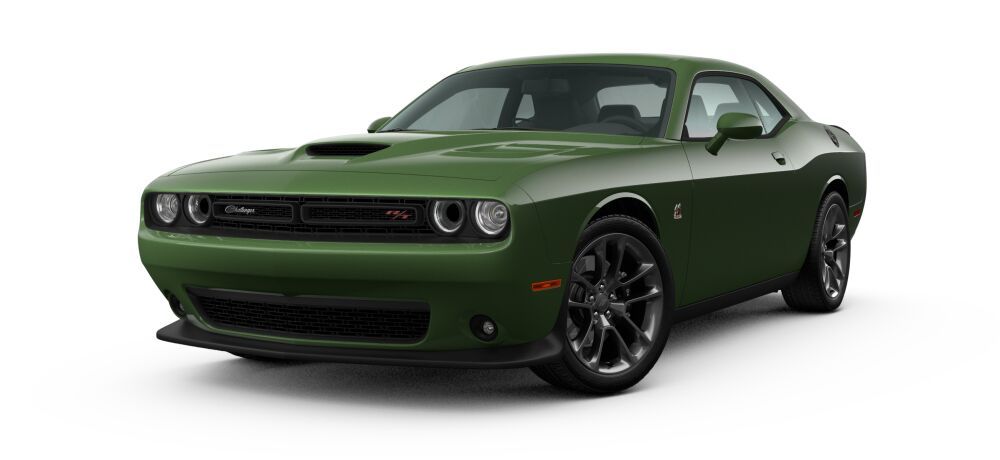
19. Hot Hatches:
Hot hatches are high-performance versions of hatchback cars, known for their agility, practicality, and sporty driving dynamics.
Simple definition: High-performance hatchbacks known for agility.
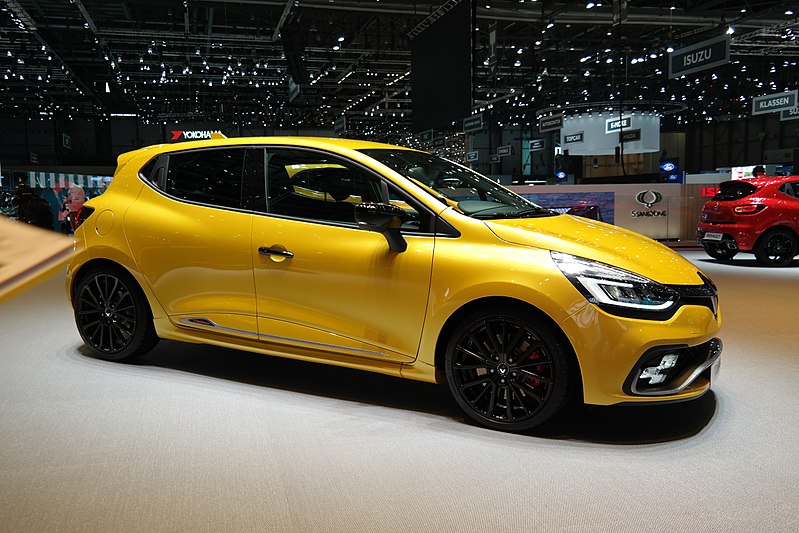
20. Roadsters:
Roadsters are two-seat convertible sports cars with an emphasis on open-air driving pleasure and lightweight construction.
Simple definition: Two-seat convertible sports cars focused on driving pleasure.
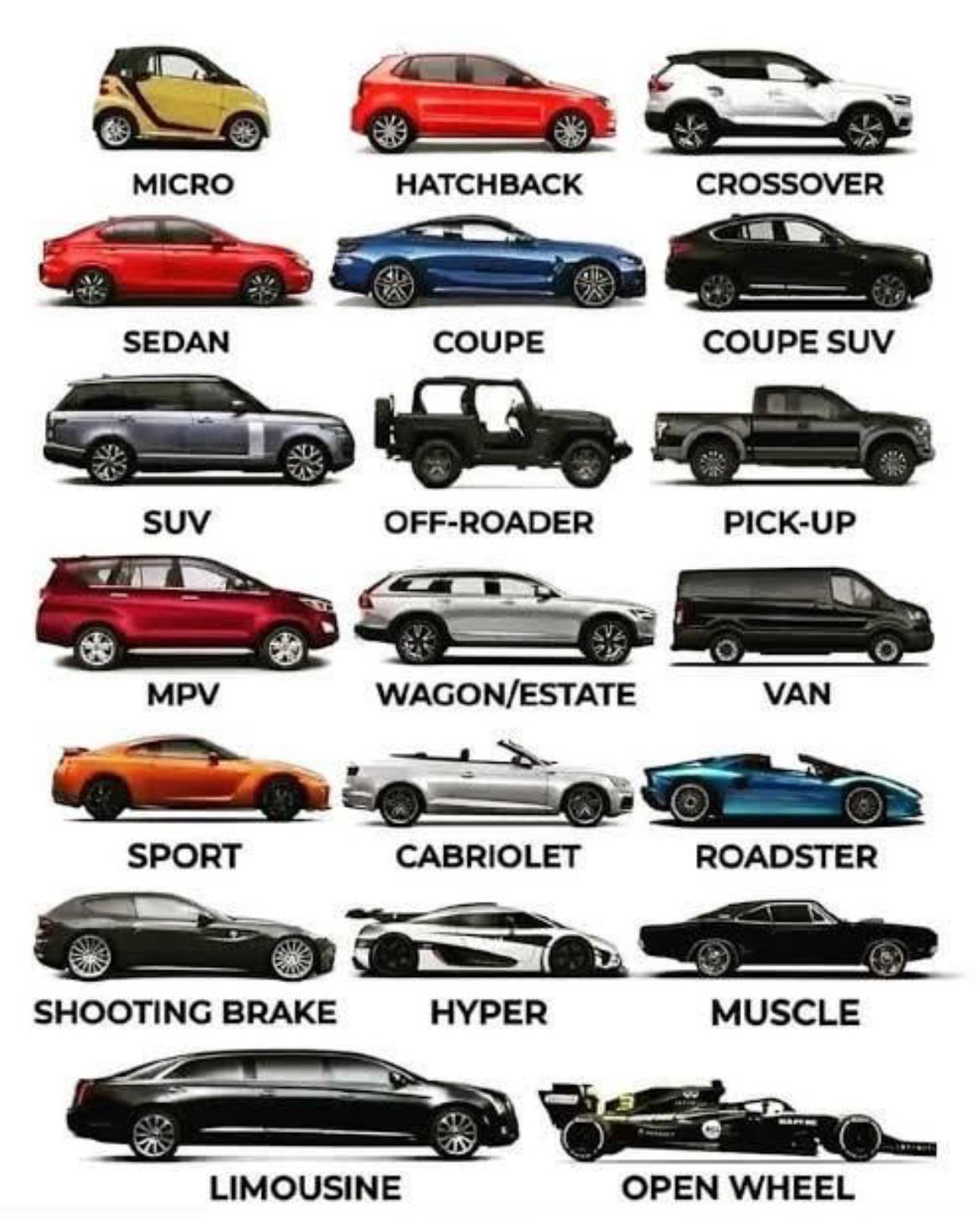
All Types of Cars
Links so you can learn more about this lesson:
Learn and practice this lesson on Quizlet:External links:
Types Of CarsCar Body Style Guide
Vehicle Types
The Dream of Self-Propelled Motion
A. In the late 18th century, the only way for people to travel long distances was by horse and carriage. This was a world where your horizons were quite literally defined by how far a horse could take you. But a few rebellious souls dared to dream of a revolutionary invention - a self-propelled vehicle that could go farther and faster than any horse…
In a dimly-lit workshop in France, a former military engineer named Nicolas Joseph Cugnot was tinkering away. While others dismissed the idea of mechanical transportation, Cugnot was obsessed with making it a reality
"They called me a fool, a man wasting his time on fanciful ideas," Cugnot wrote in his memoirs. "But I knew deep down that the day would come when horses would no longer be the masters of human movement."
[Reenactment: Cugnot toiling away late at night, pushing away naysayers]
[Covered origins with Cugnot's fardier and the initial steam carriage era]
B. Addition: Interesting fact - Cugnot modeled his fardier à vapeur after lightweight three-wheeled carriages commonly used to transport cannons and artillery. The trike design made it more maneuverable for such military applications.
In 1769, after years of perseverance, Cugnot's dream took its first wheezing breaths of life. He had constructed the world's first self-propelled vehicle - a heavy three-wheeled wagon powered by a cumbersome steam boiler. Christened the "fardier à vapeur", it could only crawl briefly at a walking pace before running out of steam.
[3D Model: Cugnot's Steam Wagon users can rotate/zoom]
While mocked by many as an impractical curiosity, Cugnot's invention sparked the idea that transportation was possible without animal power. It lit the fuse that would eventually lead to the automobile revolution.
[Knowledge Check: What propelled Cugnot's fardier à vapeur?]
The Quest for a Better Engine
A.For decades, inventors across Europe continued experimenting with the concept of steam-powered road vehicles. However, they all shared the same frustrating limitation - the heavy boilers and engines made the vehicles painfully slow and cumbersome.
In Switzerland, a resourceful inventor named François Isaac de Rivaz was determined to find a better solution. In 1807, after years of tireless tinkering, de Rivaz achieved a monumental breakthrough.
[Archival Footage: De Rivaz working on early engine prototypes]
He had designed and built the world's first internal combustion engine that could run on an explosive mixture of hydrogen and oxygen. This new compact, powerful engine eliminated the need for heavy steam boilers entirely.
B. "The day this engine roared to life, I knew the world would never be the same," de Rivaz wrote. "For I had unlocked the key to effortless movement over land."
[Interactive 3D Engine Model: Users can explore de Rivaz's design]
De Rivaz's pioneering work paved the way for the next generation of self-propelled vehicles - faster, lighter, and powered by the incredible energy of controlled explosions. The dream of the modern automobile was finally within reach.
[Knowledge Check: What fuel mixture did de Rivaz's engine run on?]
Addition: De Rivaz's early prototypes used a precise 2:1 ratio of hydrogen to oxygen gas to create the explosive mixture that powered his internal combustion engine designs. Achieving this specific chemical composition was crucial to generating controlled combustion.
[Archival Footage: The Motorwagen in Motion]
The Relentless Pursuit of Self-Propelled Motion
As we've seen, the earliest attempts at self-propelled vehicles in the late 1700s, while celebrated achievements, were extremely limited by their steam power sources. But a new generation of inventors refused to abandon the dream…
A. In the bustling cities of Europe, a sense of restless curiosity gripped the minds of brilliant tinkerers like François Isaac de Rivaz. While Cugnot's fardier could barely crawl, de Rivaz was convinced there had to be a better way to achieve self-propelled motion without the constraints of heavy boilers.
[Ambient City Sounds + Voiceover]
"The steam engines of the day were marvels of engineering," de Rivaz wrote in his journals. "But they simply could not deliver the freedom of movement I envisioned for the future of transportation."
After years of tireless experimentation, de Rivaz's perseverance paid off in a blaze of innovation. In 1807, he created the world's first internal combustion engine capable of running on an explosive mixture of hydrogen and oxygen.
[Interactive 3D Engine Model with Combustion Animation]
Unlike the external steam engines before it, de Rivaz's design harnessed controlled combustion internally to generate immense power from a compact package. This breakthrough would be the catalyst that finally brought the dream of practical self-propelled vehicles into reality. [Knowledge Check: What was revolutionary about de Rivaz's new engine design?] While de Rivaz's hydrogen engine was a triumph, it also highlighted the need for a more readily available and stable fuel source to power these new internal combustion marvels.
B. Enter the pioneering work of German engineers like Gottlieb Daimler and Wilhelm Maybach in the 1880s. Building on de Rivaz's concepts, they refined the internal combustion engine to run on the newly abundant fossil fuel - gasoline.
[Reenactment: Daimler and Maybach discussing engine designs]
Daimler: "Hydrogen holds great potential, but its volatility makes it impractical for widespread use. We need a fuel that packs power yet can be easily controlled."
Maybach: "What about this new distillate from crude oil refinement? I've been studying its combustion properties..."
Their lighter, more efficient gasoline engines allowed the creation of the first true modern automobiles like Carl Benz's iconic Benz Patent-Motorwagen in 1886.
C. With a rear-mounted gasoline engine and top speed of just 10 mph, the Motorwagen was still a far cry from today's performance vehicles. But for the first time in human history, personal transportation free from horse power was a reality.
Addition: From de Rivaz's memoirs, on the "eureka" moment his engine first fired up: "After countless failed attempts, I was ready to abandon my pursuit. But on that fateful night of January 13th, 1807, the crisp Swiss air carried the most beautiful sound - the staccato rumble of my engine sputtering to life on its volatile mixture of hydrogen and oxygen. In that moment, I knew the world would never be the same."
The Birth of the Gasoline Automobile
A. In the bustling cities of Germany, two pioneering engineers - Gottlieb Daimler and Wilhelm Maybach - were obsessively studying Otto's four-stroke engine designs. They recognized its potential to finally make the dream of a practical, self-propelled "horseless carriage" a reality.
[Reenactment: Daimler and Maybach discussing engine designs]
Daimler: "Otto's engine is a marvel, but it's still too large and heavy for a compact vehicle. We need to make it smaller, yet even more powerful."
Maybach: "What if we use this new distillate from crude oil refinement? I've been studying its combustion properties..."
B. Through brilliant engineering, Daimler and Maybach refined Otto's four-stroke design, creating the world's first high-speed, lightweight gasoline engine in 1885. This breakthrough paved the way for the iconic Benz Patent-Motorwagen the following year. [Significant Event: In 1886, German inventor Carl Benz was awarded the patent for his Benz Patent Motorwagen - widely considered the first true, modern automobile. It featured a rear-mounted 0.75 hp gasoline engine and top speed of just 10 mph
C. While primitive by today's standards, the Motorwagen captured global attention, proving that self-propelled personal transportation was finally possible without horse power.
[Rare Archival Footage: The Motorwagen in motion on city streets in 1886]
D. Just a few years later in 1893, the Duryea Brothers in America constructed their own successful gasoline-powered vehicle - the Duryea Motor Wagon. The race was on to transform this revolutionary invention from a fascinating curiosity into an affordable, mass-produced vehicle for the masses.
One visionary American entrepreneur was already plotting to make that dream a reality on a scale never before imagined…
E. The stage was now set for the next act - taking this revolutionary invention from a fascinating novelty for the wealthy to an accessible, mass-produced vehicle for the masses.
One pioneering American entrepreneur was already plotting to make that dream a reality...
Putting America on Wheels
A. By the early 20th century, the pioneering work of inventors like Benz, Daimler and Maybach had proven that self-propelled "horseless carriages" were possible. But one visionary American entrepreneur, Henry Ford, recognized the automobile's potential went far beyond a plaything for the wealthy.
In the bustling factories of Detroit, the young trailblazer was hard at work pursuing an ambitious dream - to make automobile ownership affordable for every American family through mass production.
"The automobile will be the great equalizer of our age," Ford proclaimed to his skeptical investors. "With the freedom of personal transportation no longer limited by the cost of horse and carriage, every American family can unlock new horizons of opportunity."
But achieving that vision required shattering long-held notions of how vehicles were manufactured. The laborious process of hand-crafting car bodies and components made the earliest vehicles too expensive for most consumers.
Undeterred, Ford obsessively studied manufacturing processes used in other booming industries like meatpacking. He was determined to find a way to build automobiles on a massive scale, driving down costs through efficiency and standardization.
[Reenactment: An animated Henry Ford touring a meatpacking facility]
Ford (observing the efficient processes): "Why can't we build entire automobiles moving along a rope the same way these carcasses are assembled?"
B. At the time, automobiles were still largely hand-built by skilled craftsmen, resulting in lengthy production times and exorbitant prices. The idea of manufacturing vehicles like any other commodity was considered preposterous.
[Little-Known Fact: In 1908, the Olds Motor Vehicle Company became the first to use a moving assembly line to manufacture automobiles. However, it was still a primitive, semi-stationary process.]
Undeterred by naysayers, Ford relentlessly experimented with various production line concepts over the next few years. In 1913, his pioneering efforts finally paid off with the creation of the moving assembly line for the Model T.
[Interactive 360 Video: Exploring the animated Model T assembly line] With this breakthrough in mass production, the Model T's price tag was slashed by over half, finally making automobile ownership accessible to the great American middle class. [Ambient Audio: The clangs and whirs of the assembly line]
C. "I will build a motor car for the great multitude," Ford declared, as the very first Model Ts rolled off his assembly line. "It will be so low in price that no man making a good salary will be unable to own one."1
[Archival Footage: The ringing of the factory bell and cheers as the first Model Ts emerged]
[Significant Historical Event: By 1927, the moving assembly line had allowed Ford to produce over 15 million Model T automobiles. This represented over half of all cars produced globally at that time.]
Across the nation, Americans from farmhouses to city apartments flooded Ford's factories with orders for their very first automobile. A new era of personal mobility, freedom and opportunity had dawned.
[Video: A Model T driving towards a vista of open roads]
The Model T put America's working class on wheels, forever transforming transportation and the boundless possibilities of where those newly mobile masses could journey next...
D. As the Model T put America's working class behind the wheel, a new mobility frontier had opened up. But with this newfound freedom also came new and terrifying dangers…
The Relentless Pursuit of Safety
A. In the early 20th century, the roads were unpredictable and unforgiving. With virtually no safety features, these pioneering automobiles offered little protection for their occupants in the event of a crash.
[Chilling Statistic: In 1925, there were an estimated 22,000 automotive fatalities in the U.S. - a staggering number at the time.]
While the automobile represented amazing technological progress, the human toll of this mobility revolution was rapidly becoming an urgent crisis that could no longer be ignored.
B. In Detroit, a pioneering mechanical engineer named John Willys Loge Jr. was determined to make automobiles safer at any cost. In 1919, he filed a patent for a concept he called the "crash-proof" car.
[Rare Archival Footage: Loge's early crumple zone prototype tests]
Loge's radical design called for the front section of the vehicle to be engineered as a deformable "crumple zone" - absorbing the force of a head-on collision like an accordion instead of violently transferring it to the occupants.
[Interactive 3D Model: Users can explore Loge's pioneering crumple zone design]
While celebrated by some as a potential lifesaver, the crumple zone was dismissed by many automakers as too costly and complicated to implement. It would be decades before this pivotal safety innovation saw widespread adoption.
C. As roads became increasingly crowded, the stakes of preventing automotive injuries only grew. In 1959, a savvy industrial designer named Nils Bohlin had an idea that would change the face of automobile safety forever.
[Reenactment: Bohlin sketching his safety harness designs]
Bohlin: "Why don't we implement a simple, secure restraint system like those used in airplanes and racecars? It could prevent occupants from being thrown from their seats!"
That same year, Bohlin patented his revolutionary three-point lap and shoulder belt design - the precursor to the modern seat belt system found in every vehicle today.
[Rare Footage: Bohlin's seat belt prototype tests demonstrating its life saving potential]
From Loge's crumple zones to Bohlin's seat belts, the earliest safety innovations laid the groundwork for the sophisticated array of systems found in modern automobiles. The unrelenting pursuit of making driving safer for all was underway.
[Knowledge Check: What two pioneering safety features are covered and what problem were they designed to solve?]
The Fierce Aerodynamics Race
A. As the roaring 1920s ushered in a new era of automotive enthusiasm, innovators turned their sights toward an audacious goal - breaking the boundaries of speed and efficiency through radical new vehicle designs…
In the wind tunnels and engineering labs of Europe, a fierce competition was underway to create the world's most aerodynamic and slippery automobile. Inspired by the sleek shapes of zeppelins and planes, these pioneers were utterly reimagining what a car could be.
[Rare Archival Footage: Early aerodynamic test vehicles in wind tunnels]
B. Leading the charge was an eccentric Romanian engineer named Aurel Persu. In 1923, he unveiled his daring creation - the Persu Aerodynamic Automobile. With its curved, teardrop shape and rear-mounted engine, it looked like a vehicle from the future.
[Interactive 3D Model: Users can examine Peru's radical aerodynamic design]
Persu: "The time has come to shed the horse-carriage design philosophy! We must craft automotive forms guided by the laws of aerodynamics and slipstream efficiency." While mocked by many as outlandish, Persu's creation could sustain incredible speeds of 115 mph - shattering records of the era. It proved that through unconventional thinking, the automobile's potential could be reinvented.
C. Across Europe, the aerospace-inspired aerodynamic designs just kept getting more extreme. In 1939, the Nazis commissioned Ferdinand Porsche to build a series of sleek, streamlined "Volkswagen" prototypes that prefigured modern sports cars.
[Rare Footage: Porsche's Volkswagen prototypes being tested on racetracks]
Not to be outdone, in 1938 American engineer Paul Lewis unveiled his "Aerocar" - a teardrop-shaped, three-wheeled vehicle so aerodynamic it could achieve over 30 mpg at cruising speeds.
[Interactive 3D Model: Users can explore the Aerocar's unique design]
While many of these radical concepts never made it to production, they pushed the boundaries of what an automobile could be. The aerodynamics race spurred innovations from lightweight materials to advanced wind tunnel testing that forever transformed automotive design and efficiency.
[Knowledge Check: What key aerodynamic principles did innovators like Persu, Porsche and Lewis leverage in their designs?]
Performance Revolutions Under the Hood
As aerodynamics pioneers reshaped how automobiles looked on the outside, another revolution was taking place under the hood - one driven by an insatiable hunger for power, speed and performance...
A. In the early 20th century, most automobiles relied on rudimentary engines based on the original four-stroke designs of pioneers like Nicolaus Otto. But a new breed of audacious engineers were determined to make cars go faster and further than ever before.
B. Leading this charge was Charles Yale Knight, an American automotive maverick. In 1908, Knight unveiled his radical new engine that replaced the conventional piston-cylinder design with an entirely different mechanism - the sleek, double-helical sleeve-valve system.
[Interactive 3D Model: Users can explore Knight's pioneering sleeve-valve engine design]
Knight's innovative engine was incredibly smooth and efficient, capable of extracting more power from every drop of fuel. While dismissed by many at first, it set off a performance revolution.
[Rare Footage: Knight's early sleeve-valve racers on the track]
C. Not to be outdone, engineering giants like Harry Ricardo and Harry Weslake continued advancing the conventional piston engine design to incredible heights of power and speed through the 1920s.
[Dramatized Scene: Ricardo and Weslake discussing over engine schematics]
Ricardo: "Increasing the compression ratio is the key to extracting more energy!" Weslake: "Yes, but we'll need advanced metallurgy and cooling to withstand those pressures..." Their pioneering work on aluminum alloy pistons, overhead camshafts, and advanced cylinder head designs transformed the internal combustion engine into a veritable power plant.
D . In the post-war era, an entirely new philosophy emerged - increasing performance not through sheer engine size, but through cutting-edge forced induction like turbochargers and superchargers.
[Interactive 3D Model: Cross-section of a turbocharger system]
By harnessing the exhaust flow to force more air into the engine, these ingenious systems could extract incredible power density from smaller displacement engines. It was a revolution that transformed automotive performance forever.
From Knight's sleeve-valve designs to Ricardo's compression ratios to the forced induction wizardry, the never-ending quest to go faster, farther, and more powerfully has been the driving force propelling automotive engineering breakthroughs for over a century.
[Knowledge Check: What were some key innovations that transformed engine performance and power output?]
The Intelligent Automotive Future
For over a century, the evolution of the automobile was driven by constant innovation across performance, safety, efficiency and design. But as we approached the 21st century, a new frontier emerged - infusing these modern marvels of engineering with cutting-edge intelligence…
A . In the silicon valleys of the world, a new breed of automotive pioneers were at work. Engineers and programmers with a radical vision - to transform the automobile from a sophisticated machine into an intelligent mobility partner.
The infotainment revolution was one of the first steps. What began as simple radio systems in the 1930s rapidly evolved into immersive, voice-controlled systems that could seamlessly integrate your digital life into the driving experience.
[Interactive Demo: A conversational AI assistant helping navigate and control a vehicle's systems]
But these software visionaries had an even bolder dream - to make the automobile capable of driving itself by harnessing the power of artificial intelligence and machine learning.
The origins of self-driving vehicles can be traced back to the 1980s when engineers at Mercedes-Benz pioneered early autonomous prototypes using analog computer vision and sensors.
[Rare Footage: Mercedes' self-driving van navigating streets in 1980s]
Engineer: "By using cameras and sensors to digitally map the environment, we've enabled this van to self-navigate without human input! The possibilities for autonomy are endless..."
B. Over the following decades, DARPA Challenges and academic competitions like those at Carnegie Mellon University rapidly advanced the algorithms and software architectures underpinning self-driving technology.
[Interactive AI Simulation: Users can "train" a self-driving AI using machine learning]
By the 2010s, automotive giants and tech titans like Google, Tesla, Uber and GM were locked in an ambitious race to be the first to bring fully self-driving vehicles to production.
[Dramatized Scene: Executives at a self-driving car company]
CEO: "The self-driving revolution is the next frontier of mobility. Whoever dominates this technology will disrupt the entire transportation industry!"
Engineer: "But we still have major hurdles - the AI needs to handle every possible scenario, the regulations are unclear, public trust..."
While the road to full autonomy has been arduous, self-driving capabilities are already augmenting vehicles today through advanced driver-assistance systems (ADAS) that can automatically brake, park, or keep you in your lane.
C. As artificial intelligence and connectivity become increasingly intertwined with automotive engineering, the possibilities for intelligent, intuitive mobility systems have no boundaries.
[Visionary Concept Video: Drivonomy's concept of an intelligent, self-driving mobility cloud]
The automobile's incredible story began with a dream of self-propelled motion. Now, that dream has evolved into a bold new vision of vehicles that can actually think, learn and partner with us as we navigate the frontiers of future transportation.
[Culminating Experience: The odyssey culminates with users being virtually transported into Drivonomy's vision of an intelligent, sustainable automotive future enabled by AI, connectivity and advanced engineering.]
TBD:Make storyboard template
Make list of images and references needed and source them
Use storyboardthat for making the video
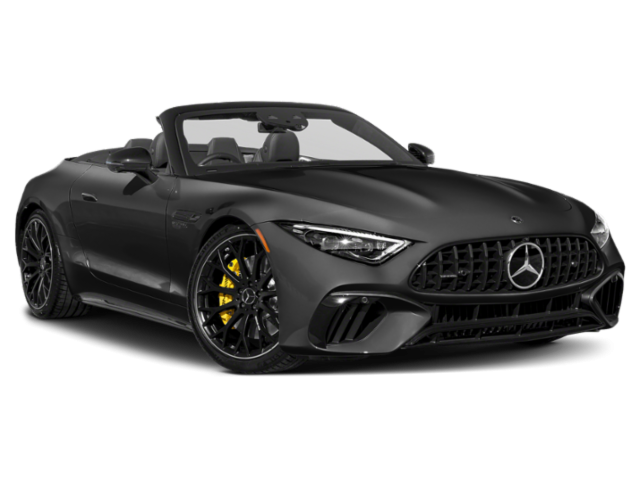
Mercedes-Benz

2. Mercedes-Benz traces its origins to 1886 when Karl Benz patented the first gasoline-powered automobile. The brand was formed from the 1926 merger of Benz's company with Daimler-Motoren-Gesellschaft, founded by Gottlieb Daimler.
3. Mercedes pioneered numerous safety innovations, including the first crumple zones in 1952 and the invention of the anti-lock braking system (ABS). The brand is renowned for its meticulous engineering, advanced technology, and a focus on delivering a serene, luxurious driving experience through features like noise insulation and air suspension.
4. Mercedes vehicles, particularly the flagship S-Class sedan, are celebrated for their premium quality, comfort, refinement, and prestigious brand image. The G-Class SUV exemplifies the brand's off-road capabilities and ruggedness.
5. Mercedes differentiates itself through cutting-edge innovations, meticulous build quality, and a relentless pursuit of delivering the ultimate in luxury and comfort, solidifying its position as a benchmark for premium automobiles
BMW
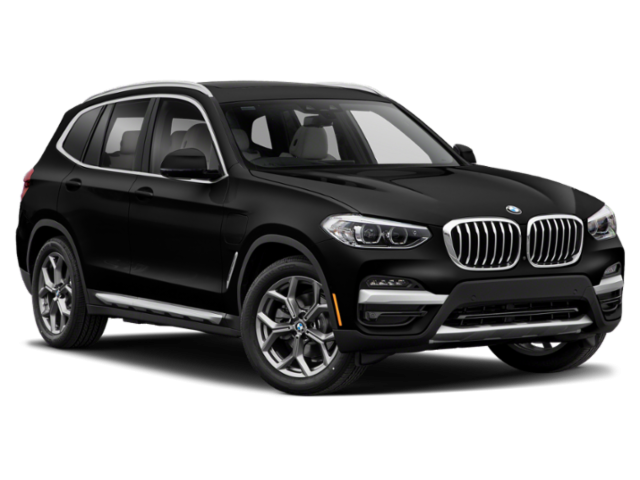
1. BMW (Bayerische Motoren Werke) was founded in 1916 in Germany, initially as an aircraft engine manufacturer before transitioning to automobiles in the 1920s. The iconic blue-and-white logo represents a spinning propeller against a blue sky.
2. BMW is renowned for its focus on delivering an engaging driving experience through technologies like its xDrive all-wheel-drive system, near-perfect 50/50 weight distribution, and powerful yet efficient engines. The brand's "Ultimate Driving Machine" tagline encapsulates this philosophy.
3. BMW vehicles, particularly the 3 Series and M performance models, are celebrated for their precise handling, powerful engines, and a brand image that exudes luxury, performance, and a driving-focused ethos
4. BMW differentiates itself as a premium performance brand, offering a blend of luxury, advanced technology, and a commitment to delivering an uncompromising driving experience that prioritizes dynamics and driver engagement.
Audi
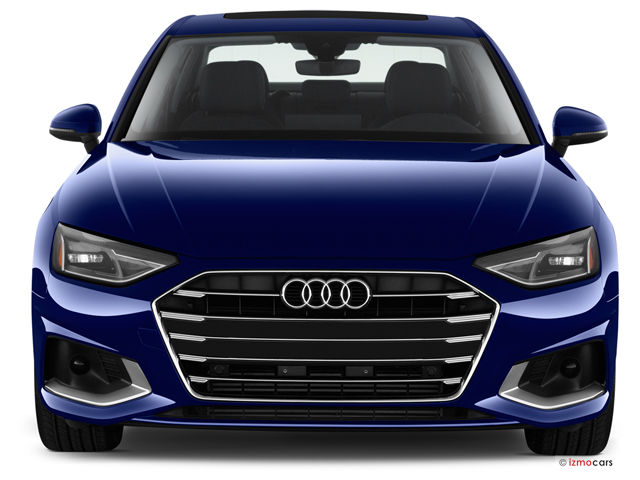
1. Audi was founded in 1909 by August Horch in Germany. The name "Audi" is a Latin translation of Horch's surname, meaning "listen" in German. The brand's four interlocking rings represent the 1932 merger of four companies: Audi, DKW, Horch, and Wanderer.
2. Audi is known for its innovative technologies, including the quattro all-wheel-drive system, lightweight aluminum construction, and advanced powertrains like the e-tron electric vehicles. The brand's "Vorsprung durch Technik" (Advancement through Technology) slogan reflects this focus.
3. Audi vehicles are praised for their exceptional build quality, sporty driving dynamics, and a blend of luxury and performance across their lineup, exemplified by models like the A4, A6, and R8 supercar.
4. Audi distinguishes itself through its focus on engineering excellence, cutting-edge innovation, and a reputation for delivering a premium driving experience that combines performance, luxury, and advanced technology.
Porsche
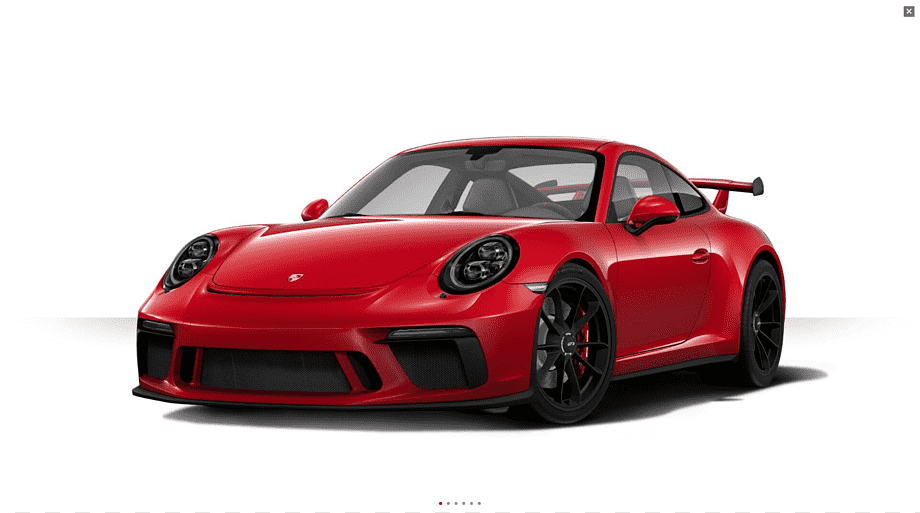
1. Porsche was founded in 1931 by Ferdinand Porsche, an Austrian automotive engineer. The name may have originated from the Czech name "Boreš," meaning "prosperous." The iconic Porsche crest features the Stuttgart coat of arms, representing the brand's German roots.
2. Porsche is renowned for its rear-engine layout, boxer engines, and a focus on delivering an uncompromising sports car experience with precise handling and performance. The brand's unique engineering approach prioritizes lightweight construction and aerodynamics.
3. Porsche vehicles, particularly the iconic 911, are celebrated for their high-performance capabilities, sleek designs, and a connection to the brand's racing heritage, exemplified by models like the 911 GT3 and Cayman GT4.
4. Porsche sets itself apart as a pure sports car manufacturer, prioritizing driving dynamics, performance, and a unique driving experience over outright luxury, offering a level of engineering prowess and brand cachet unmatched by most automakers.
Ferrari
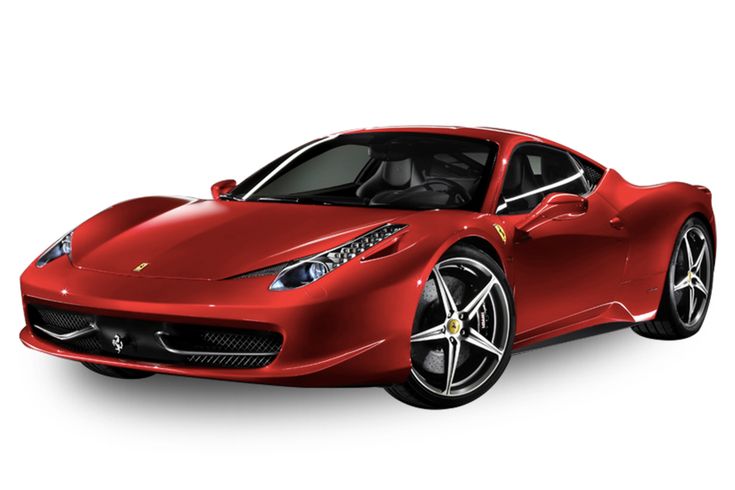
1. Ferrari was founded in 1939 by Enzo Ferrari in Modena, Italy, with roots in European racing circuits and a focus on high-performance sports cars. The iconic "Prancing Horse" logo was inspired by a World War I fighter pilot's emblem.
2. Ferrari is known for its powerful engines, exotic designs, and a commitment to delivering an exhilarating driving experience through advanced aerodynamics, lightweight construction, and cutting-edge technologies like hybrid powertrains.
3. Ferrari vehicles are covered for their exclusivity, performance capabilities, and a brand image that exudes passion, luxury, and a racing pedigree, exemplified by models like the 488 Pista and SF90 Stradale.
4. Ferrari differentiates itself as an iconic Italian sports car brand, offering a level of performance, craftsmanship, and brand cachet unmatched by most automakers, catering to a select group of affluent enthusiasts seeking the ultimate in automotive excellence.
Ford
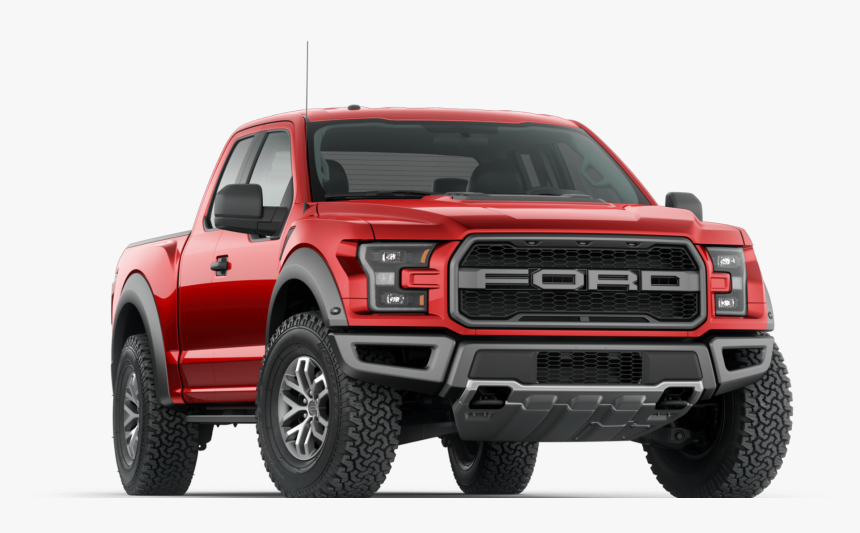
1. Ford was founded in 1903 by Henry Ford in Dearborn, Michigan, United States. Ford pioneered the use of the moving assembly line for mass production of automobiles, revolutionizing the industry.
2. Ford is known for its innovative technologies like the EcoBoost turbocharged engines, as well as its capable trucks and SUVs like the F-150 and Expedition. The brand's "Built Ford Tough" slogan reflects its focus on durability and utility.
3. Ford vehicles are popular for their affordability, reliability, and a reputation for building rugged, practical vehicles for the masses, exemplified by models like the Mustang sports car and the F-Series pickup trucks.
4. Ford sets itself apart as an iconic American brand with a focus on delivering value, utility, and a range of vehicles to suit various lifestyles and budgets, catering to both performance enthusiasts and those seeking capable, hard-working vehicles.
Honda
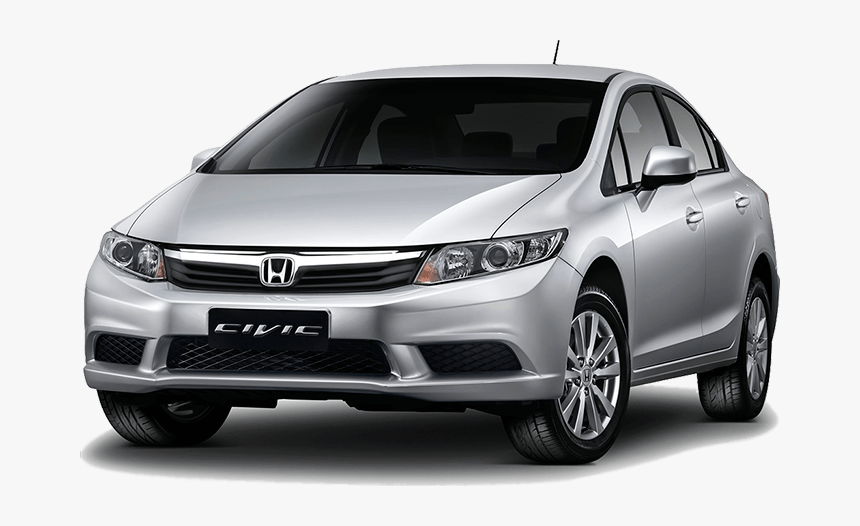
1. Honda was founded in 1948 by Soichiro Honda in Hamamatsu, Japan, initially as a motorcycle manufacturer before expanding into automobiles in the 1960s
2. Honda is renowned for its fuel-efficient engines, innovative technologies like VTEC variable valve timing, and a focus on reliability and practicality. The brand's "The Power of Dreams" slogan reflects its commitment to innovation and engineering excellence.
3. Honda vehicles are praised for their dependability, value for money, and a reputation for building well-engineered, efficient, and practical cars, exemplified by models like the Civic and Accord.
4. Honda differentiates itself through its engineering prowess, a focus on fuel efficiency and environmental responsibility, and a commitment to delivering reliable, affordable transportation that prioritizes practicality and value.
Toyota

1. Toyota was founded in 1937 by Kiichiro Toyoda in Toyota City, Japan, with the name derived from the founder's family name. The brand's logo features three overlapping ovals, representing the heart of the customer, the heart of the product, and the heart of progress.
2. Toyota is known for its reliable, practical, and value-oriented vehicles, as well as its pioneering work in hybrid technology with the Prius. The brand's "Toyota Way" philosophy emphasizes continuous improvement and respect for people.
3. Toyota vehicles are popular for their dependability, low ownership costs, and a reputation for building durable, long-lasting cars suitable for various lifestyles, exemplified by models like the Camry, RAV4, and Tundra.
4. Toyota sets itself apart through its focus on reliability, practicality, and value, offering a wide range of vehicles from compact cars to trucks and SUVs, while continuously innovating and prioritizing sustainability and customer satisfaction.
Volkswagen
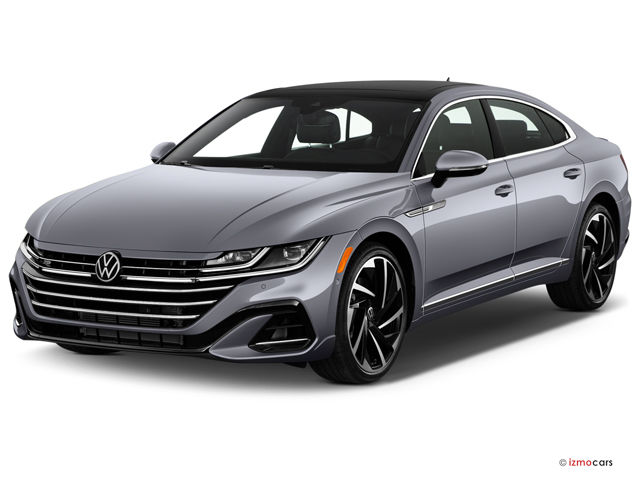
1. Volkswagen (literally "people's car" in German) was founded in 1937 in Wolfsburg, Germany, with the goal of producing an affordable, simple, and reliable car for the masses. The iconic Beetle was the brand's first model, designed by Ferdinand Porsche.
2. Volkswagen is known for its innovative engineering, fuel-efficient engines, and a focus on practicality and value, exemplified by models like the Golf and Jetta. The brand's "Das Auto" (The Car) slogan reflects its commitment to building well-designed, practical vehicles.
3. Volkswagen vehicles are popular for their blend of German engineering, affordability, and a reputation for building well-designed, practical cars suitable for daily use, exemplified by models like the Tiguan SUV and Passat sedan.
4. Volkswagen sets itself apart through its focus on delivering value, practicality, and innovative engineering solutions, while maintaining a commitment to building reliable, efficient vehicles that cater to the needs of the everyday driver.
Jeep
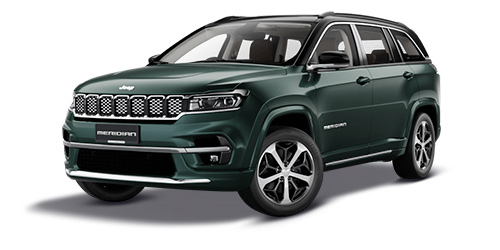
1. Jeep originated in 1941 as a military vehicle produced by Willys-Overland during World War II, before transitioning to civilian production after the war. The brand's iconic seven-slot grille and round headlights have become instantly recognizable symbols.
2. Jeep is renowned for its off-road capabilities, ruggedness, and a focus on delivering capable, adventure-ready vehicles like the Wrangler and Grand Cherokee. The brand's "Go Anywhere, Do Anything" slogan reflects its adventurous spirit.
3. Jeep vehicles are popular for their go-anywhere abilities, distinctive styling, and a brand image that evokes a sense of freedom, adventure, and outdoor exploration, exemplified by models like the Wrangler Rubicon and Grand Cherokee Trailhawk.
4. Jeep differentiates itself as a brand dedicated to building off-road-capable vehicles with a rugged, adventurous spirit, catering to those with an active, outdoor lifestyle and a desire for vehicles that can tackle any terrain.
Nissan
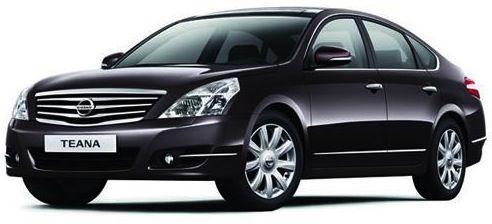
1. Nissan was founded in 1933 in Yokohama, Japan, originally known as Nippon Sangyo, meaning "Japan Industries." The brand's current name was adopted in 1934, and its logo features the sun emblem, representing the company's Japanese origins.
2. Nissan is known for its innovative technologies like the LEAF electric vehicle, as well as its capable SUVs and trucks like the Rogue and Titan. The brand's "Innovation that Excites" slogan reflects its commitment to pushing boundaries.
3. Nissan vehicles are popular for their affordability, reliability, and a reputation for building practical, efficient, and well-equipped vehicles suitable for various lifestyles, exemplified by models like the Altima sedan and Frontier pickup.
4. Nissan sets itself apart through its focus on innovation, particularly in the realm of electric and alternative-fuel vehicles, while maintaining a commitment to delivering value and practicality across its diverse lineup.
Chevrolet
1. Chevrolet was founded in 1911 by Swiss-born racer Louis Chevrolet and William C. Durant, later becoming a division of General Motors. The brand's iconic "bowtie" logo has become a symbol of American automotive heritage.
2. Chevrolet is known for its iconic muscle cars like the Camaro and Corvette, as well as its capable trucks and SUVs like the Silverado and Tahoe. The brand's "Find New Roads" slogan reflects its spirit of adventure and exploration.
3. Chevrolet vehicles are popular for their performance capabilities, affordability, and a brand image that evokes a sense of American muscle and ruggedness, exemplified by models like the Corvette Stingray and Silverado HD.
4. Chevrolet differentiates itself as an iconic American brand, offering a range of vehicles that cater to various lifestyles, from high-performance sports cars to capable trucks and SUVs, while maintaining a focus on delivering value and a connection to the brand's rich heritage.
Subaru
1. Subaru was founded in 1953 in Tokyo, Japan, with the name derived from the Japanese name for the Pleiades star cluster, which is represented in the company's logo. The brand's origins can be traced back to the Fuji Heavy Industries conglomerate.
2. Subaru is known for its boxer engines, symmetrical all-wheel-drive system, and a focus on delivering capable, all-weather vehicles like the Outback and Forester. The brand's "Confidence in Motion" slogan reflects its commitment to safety and capability.
3. Subaru vehicles are popular for their all-wheel-drive capabilities, practicality, and a brand image that evokes a sense of adventure and outdoor exploration, exemplified by models like the Outback Wilderness and WRX performance sedan.
4. Subaru differentiates itself through its commitment to building capable, all-weather vehicles with a focus on safety, practicality, and a unique boxer engine design, catering to those with an active lifestyle and a need for vehicles that can handle various terrains and conditions.
Hyundai
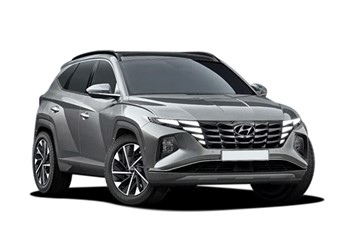
1. Hyundai was founded in 1967 in Seoul, South Korea, with the name meaning "modernity" in Korean. The brand's logo features a stylized "H" and a slanted ellipse, representing two individuals shaking hands.
2. Hyundai is known for its affordable, well-equipped vehicles, as well as its innovative technologies like the IONIQ electric and hybrid models. The brand's "New Thinking, New Possibilities" slogan reflects its commitment to innovation and pushing boundaries.
3. Hyundai vehicles are popular for their value proposition, offering a blend of affordability, features, and a reputation for building reliable, practical cars, exemplified by models like the Sonata sedan and Santa Fe SUV.
4. Hyundai sets itself apart through its focus on delivering value, innovation, and a commitment to offering well-equipped, affordable vehicles suitable for various lifestyles, while continuously pushing the boundaries of technology and design.
Kia
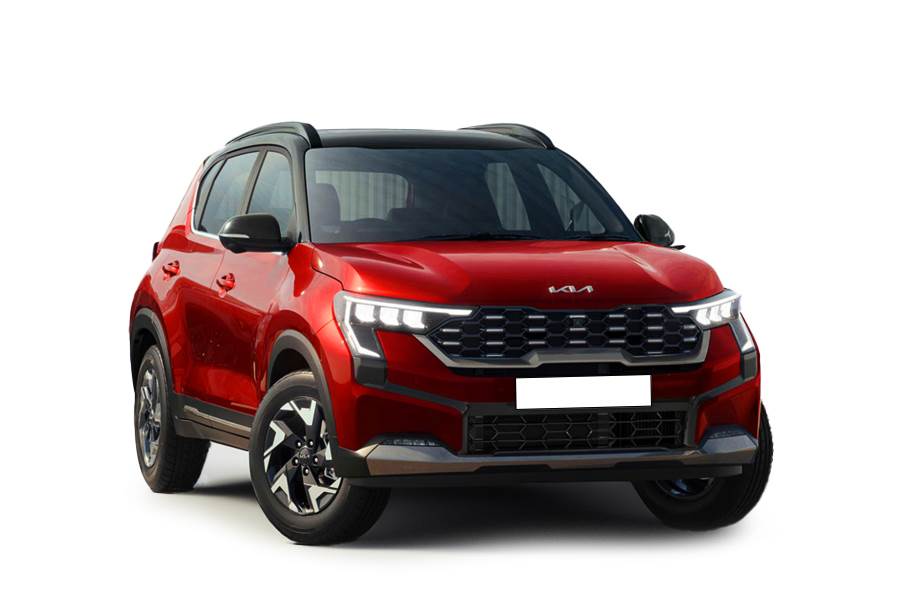
1. Kia was founded in 1944 in Seoul, South Korea, initially as a manufacturer of bicycle parts before transitioning to automobiles in the 1970s. The brand's name is derived from the Korean words "ki" (to come out) and "a" (Asia).
2. Kia is known for its affordable, well-equipped vehicles, as well as its innovative technologies like the EV6 electric vehicle and advanced safety features. The brand's "Movement that Inspires" slogan reflects its commitment to delivering vehicles that inspire and excite.
3. Kia vehicles are popular for their value proposition, offering a blend of affordability, features, and a reputation for building reliable, practical cars with a focus on safety, exemplified by models like the Telluride SUV and Stinger sports sedan
4. Kia differentiates itself through its focus on delivering value, innovation, and a commitment to offering well-equipped, affordable vehicles with advanced safety features and a distinct design language that sets it apart from competitors.
Mazda
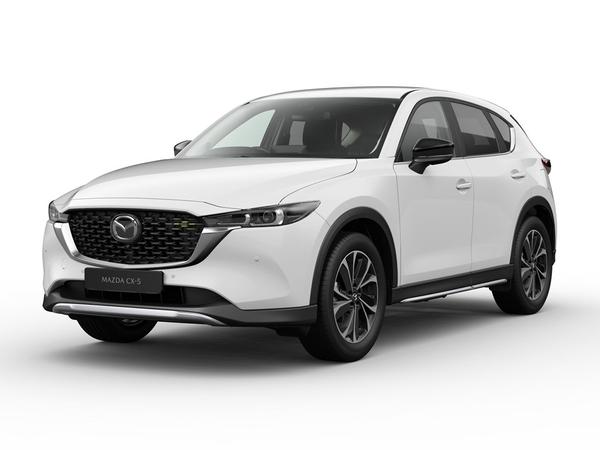
1. Mazda was founded in 1920 in Hiroshima, Japan, initially as a manufacturer of cork products before transitioning to automobiles in the 1930s. The brand's name is derived from the founder's name, Jujiro Matsuda.
2. Mazda is known for its innovative SkyActiv technologies, which focus on improving fuel efficiency and performance through lightweight construction and advanced engine designs. The brand's "Zoom-Zoom" slogan reflects its commitment to delivering a fun and engaging driving experience.
3. Mazda vehicles are popular for their sporty handling, efficient engines, and a brand image that evokes a sense of driving enjoyment and performance, exemplified by models like the MX-5 Miata roadster and Mazda3 hatchback.
4. Mazda differentiates itself through its focus on delivering a unique driving experience, with a commitment to building vehicles that prioritize driving dynamics and efficiency, catering to those who value the joy of driving and a connection to the road.
Volvo
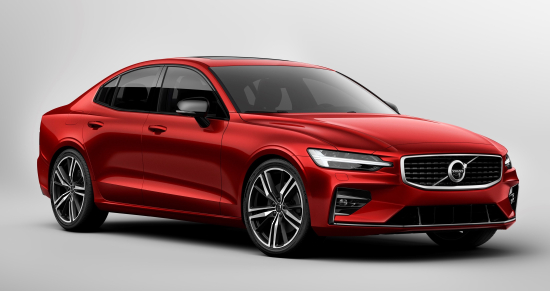
1. Volvo was founded in 1927 in Gothenburg, Sweden, with the name derived from the Latin word "volvere," meaning "to roll." The brand's iconic iron mark logo represents the ancient chemical symbol for iron.
2. Volvo is known for its focus on safety, with innovative features like the three-point seatbelt and numerous other safety innovations over the years. The brand's "Designed Around You" slogan reflects its commitment to prioritizing occupant protection and comfort.
3. Volvo vehicles are popular for their reputation for safety, durability, and a brand image that evokes a sense of practicality and reliability, exemplified by models like the XC90 SUV and S90 sedan.
4. Volvo differentiates itself through its unwavering commitment to safety, offering vehicles that prioritize occupant protection while maintaining a focus on practicality and durability, catering to those who value peace of mind and a sense of security on the road.
Lexus
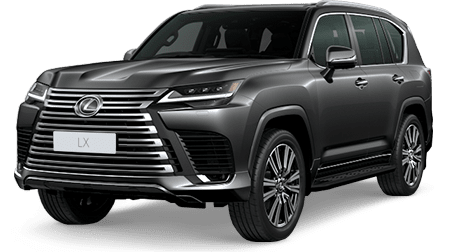
1. Lexus was founded in 1989 as the luxury division of Toyota, with the goal of creating a premium brand to compete with European luxury automakers. The brand's name is derived from the combination of "luxury" and "elegance," and its logo features an "L" enclosed in an oval, representing the brand's pursuit of perfection.
2. Lexus is known for its focus on delivering a refined, luxurious driving experience, with features like smooth, quiet cabins, advanced technologies, and meticulous attention to detail. The brand's "Experience Amazing" slogan reflects its commitment to delivering an exceptional ownership experience.
3. Lexus vehicles are popular for their blend of luxury, reliability, and a brand image that evokes a sense of sophistication and attention to detail, exemplified by models like the LS flagship sedan and LX SUV.
4.Lexus differentiates itself through its focus on delivering a premium, luxurious driving experience, while maintaining Toyota's reputation for reliability and quality, catering to those who seek a blend of luxury and dependability.
Cadillac
1.Cadillac was founded in 1902 by Henry Leland in Detroit, Michigan, and was later acquired by General Motors in 1909. The brand's name is derived from the French explorer Antoine de la Mothe Cadillac, the founder of Detroit.
2. Cadillac is known for its focus on delivering luxury, performance, and cutting-edge technology, exemplified by features like the brand's Super Cruise semi-autonomous driving system and the Blackwing twin-turbo V8 engine.
3. Cadillac vehicles are popular for their blend of American luxury, performance, and a brand image that evokes a sense of prestige and sophistication, exemplified by models like the Escalade SUV and CT5 sports sedan.
4. Cadillac differentiates itself as an iconic American luxury brand, offering a unique blend of performance, technology, and a commitment to delivering vehicles that cater to those seeking a blend of luxury and driving excitement.
Land Rover
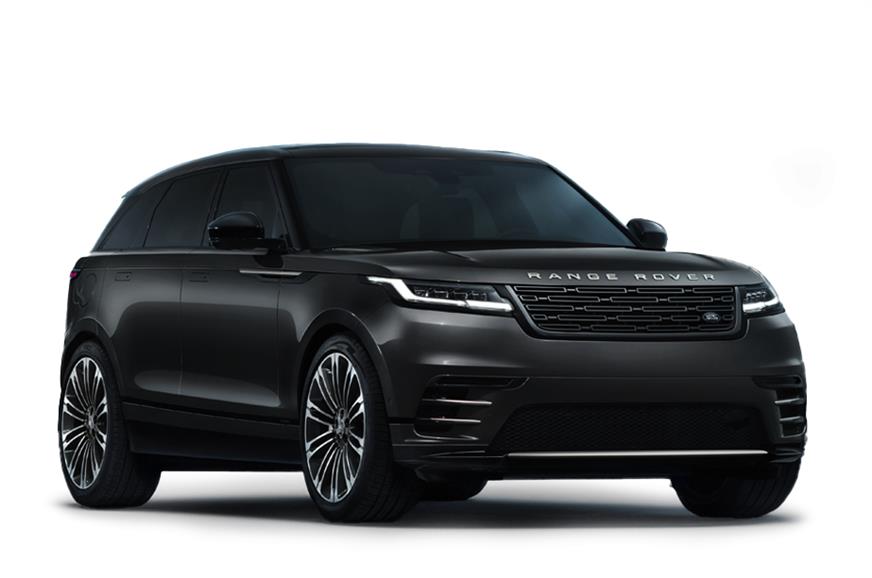
1. Land Rover was founded in 1948 by the Rover Company in Solihull, England, with the goal of producing a capable off-road vehicle for the post-war era. The brand's name and iconic green oval logo were chosen to evoke a sense of adventure and exploration.
2. Land Rover is known for its focus on delivering capable, rugged, and luxurious off-road vehicles, exemplified by features like its Terrain Response system and advanced all-wheel-drive technologies. The brand's "Above and Beyond" slogan reflects its commitment to pushing boundaries.
3. Land Rover vehicles are popular for their blend of off-road capability, luxury, and a brand image that evokes a sense of adventure and exploration, exemplified by models like the Defender and Range Rover.
4. Land Rover differentiates itself as a brand dedicated to building capable, luxurious off-road vehicles that cater to those seeking a blend of adventure, comfort, and a connection to the brand's rich heritage of exploration.
Maserati
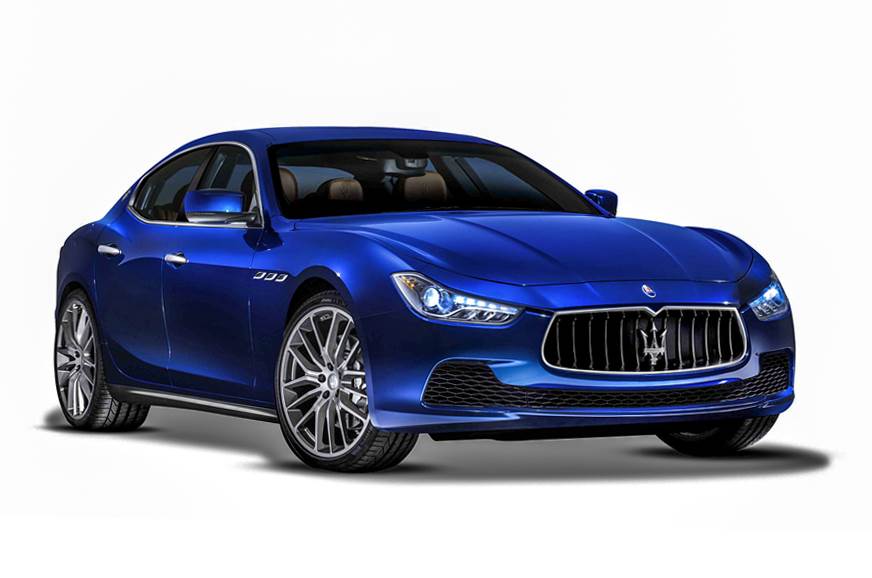
1. Maserati was founded in 1914 in Bologna, Italy, by the Maserati brothers, who were initially involved in racing before transitioning to producing high-performance sports cars. The brand's iconic trident logo is inspired by the statue of Neptune in Bologna.
2. Maserati is known for its focus on delivering high-performance, luxurious sports cars and sedans, exemplified by features like its powerful Ferrari-derived engines and hand-crafted interiors. The brand's "Unmistakable, Uncompromising" slogan reflects its commitment to delivering a unique driving experience.
3. Maserati vehicles are popular for their blend of Italian style, performance, and a brand image that evokes a sense of exclusivity and passion, exemplified by models like the Ghibli sedan and MC20 supercar.
4. Maserati differentiates itself as an Italian luxury brand dedicated to delivering high-performance vehicles that cater to those seeking a blend of exclusivity, performance, and a connection to the brand's rich racing heritage.
Lamborghini
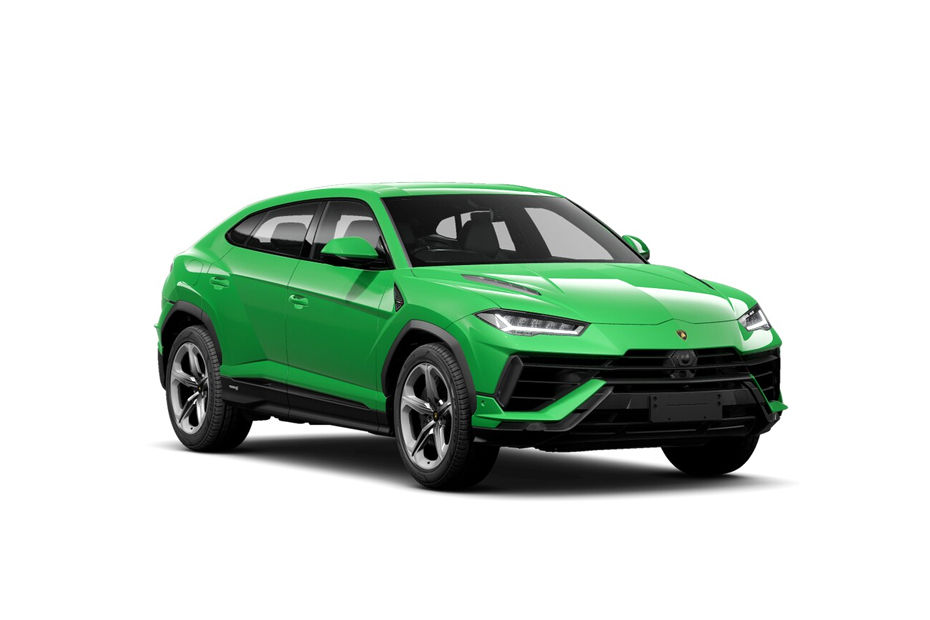
1. Lamborghini was founded in 1963 in Sant'Agata Bolognese, Italy, by Ferruccio Lamborghini, who initially produced tractors before transitioning to high-performance sports cars. The brand's iconic raging bull logo is inspired by Ferruccio Lamborghini's zodiac sign, Taurus.
2. Lamborghini is known for its focus on delivering extreme performance, cutting-edge technology, and bold, aggressive designs, exemplified by features like its powerful naturally aspirated V10 and V12 engines, and advanced aerodynamics.
3. Lamborghini vehicles are popular for their blend of extreme performance, exotic styling, and a brand image that evokes a sense of exclusivity and passion, exemplified by models like the Aventador and Huracán.
4. Lamborghini differentiates itself as a brand dedicated to delivering the ultimate in performance and exclusivity, catering to those seeking a blend of extreme performance, cutting-edge technology, and a connection to the brand's rich heritage of pushing boundaries
Tesla
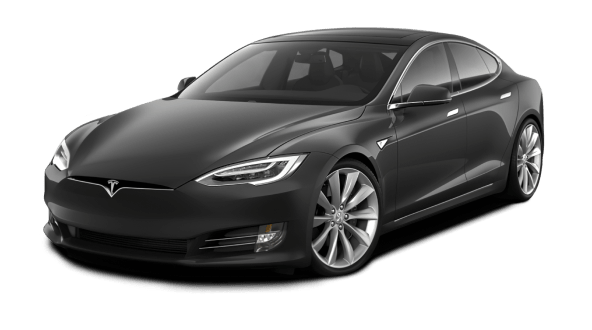
1. Tesla was founded in 2003 by engineers Martin Eberhard and Marc Tarpenning in Silicon Valley. The company's name is a tribute to the electrical engineer and physicist Nikola Tesla. Tesla's iconic "T" logo, designed by the company's first employee, features a cross-section of an electric motor.
2. Tesla is known for its focus on electric vehicles and sustainable energy solutions. They pioneered the use of lithium-ion battery packs and over-the-air software updates in production cars. Tesla's "Insane" and "Ludicrous" modes showcase the brand's emphasis on blistering acceleration and performance from their electric powertrains.
3. Tesla vehicles like the Model S, Model X, and Model 3 are popular for their cutting-edge technology, long driving ranges, and a brand image that evokes innovation, sustainability, and a future-forward vision. The company's direct-to-consumer sales model and premium electric vehicle positioning have disrupted the traditional automotive industry.
4. Tesla differentiates itself as a leader in electric mobility and sustainable transportation, offering a unique combination of Silicon Valley technology and automotive engineering. The brand caters to early adopters and those seeking high-performance electric vehicles with a focus on energy efficiency and environmental responsibility.
Rolls-Royce

1. Rolls-Royce Motor Cars was founded in 1904 by engineers Henry Royce and Charles Rolls in Manchester, England. The iconic "Spirit of Ecstasy" hood ornament, designed by sculptor Charles Sykes, has adorned Rolls-Royce cars since 1911.
2. Rolls-Royce is known for its focus on delivering the ultimate in luxury, craftsmanship, and bespoke customization. The brand's vehicles feature hand-crafted interiors with the finest materials, powerful engines, and a level of attention to detail that is unmatched in the automotive industry.
3. Rolls-Royce vehicles like the Phantom and Ghost are popular for their opulent accommodations, smooth and silent ride quality, and a brand image that evokes wealth, prestige, and exclusivity. The brand's "Bespoke" program allows customers to personalize their vehicles to an extraordinary degree.
4. Rolls-Royce differentiates itself as the pinnacle of luxury automotive brands, offering a level of craftsmanship, exclusivity, and personalization that caters to the world's most affluent individuals. The brand's commitment to delivering the ultimate in luxury and bespoke experiences sets it apart from other high-end automakers.
McLaren
1. McLaren was founded in 1963 by racing driver Bruce McLaren in Woking, England. It started as a successful Formula 1 team before expanding into road car production.
2. McLaren has a rich motorsports heritage, having won 20 Formula 1 World Championships and the 24 Hours of Le Mans on its debut in 1995 with the iconic F1 GTR. Racing remains at the core of McLaren's DNA.
3. McLaren vehicles are known for their advanced carbon fiber construction, aerodynamic designs, and a relentless pursuit of performance and lightweight engineering. The brand's "Everything for a Reason" motto reflects its focus on functional design and cutting-edge technology.
4. Some of McLaren's most iconic road cars include the F1 (once the world's fastest production car), the P1 hybrid hypercar, and the recently launched Artura hybrid series. McLaren vehicles are coveted for their extreme performance capabilities, innovative engineering, and exclusivity.
5. McLaren differentiates itself as a cutting-edge performance brand that blends racing heritage with advanced automotive technology and lightweight engineering. The brand caters to driving enthusiasts seeking the ultimate in performance, innovation, and exclusivity.